
Yes, there were dogs on the Mayflower. At least two dogs, a mastiff and a spaniel, are documented in accounts of the voyage and early Plymouth settlement. Their names are not established by the sources discussed here, but a few winter episodes give us a glimpse of them alongside the people who crossed the Atlantic in 1620.
The appealing part of the story of dogs on the Mayflower is also its challenge: we know enough to picture dogs accompanying people through an unfamiliar landscape, but far less about their individual lives. Here is what the evidence supports, where familiar retellings get muddled, and why a modern breed label can promise more than the record delivers.
For context, Plimoth Patuxet Museums describes the Mayflower voyage and the people aboard. The dogs on the Mayflower belong within that larger history, even though the surviving accounts give them only brief attention.
In this article: The historical records and what we know and what remains uncertain.
The key evidence is not a tidy animal passenger list. It is an early account of life at Plymouth, Mourt’s Relation, published in 1622. The journal text available through Project Gutenberg describes dogs accompanying John Goodman and Peter Brown during the settlement’s first winter.
That distinction matters when reading the early record. These accounts of dogs on the Mayflower can tell us which animals were present and what happened on that occasion. They do not automatically tell us every animal carried aboard, each dog’s owner, or what became of them afterward.
For an accessible historical discussion, the Pilgrim John Howland Society’s account of the dogs explains how the winter story connects them to the voyage. As with any retelling, it helps to separate the journal’s specific details from later explanations of what those details might mean.
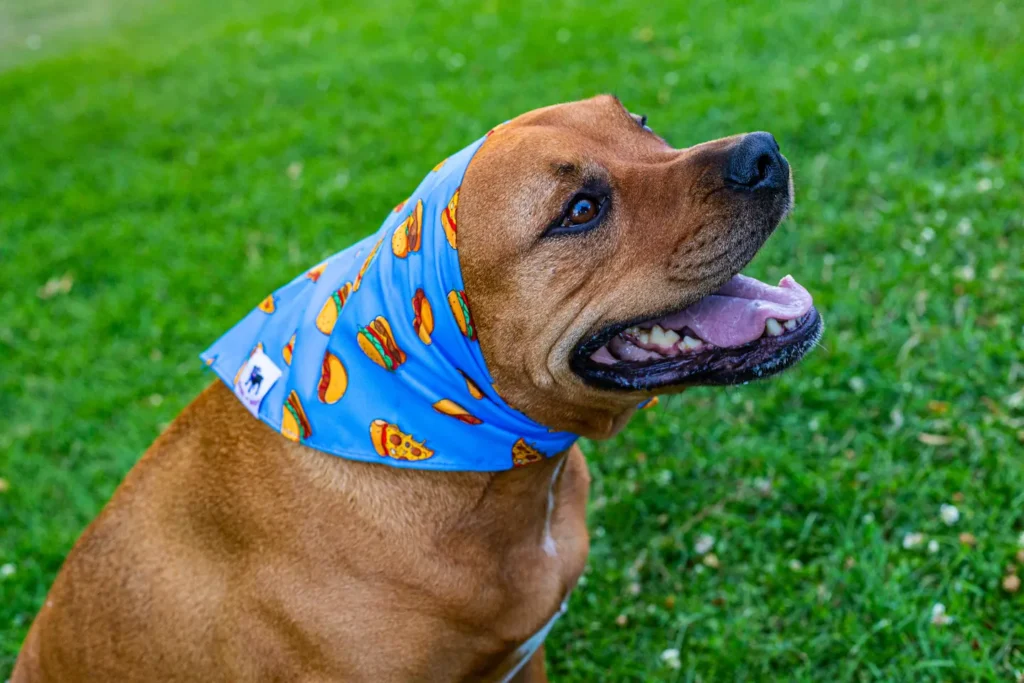
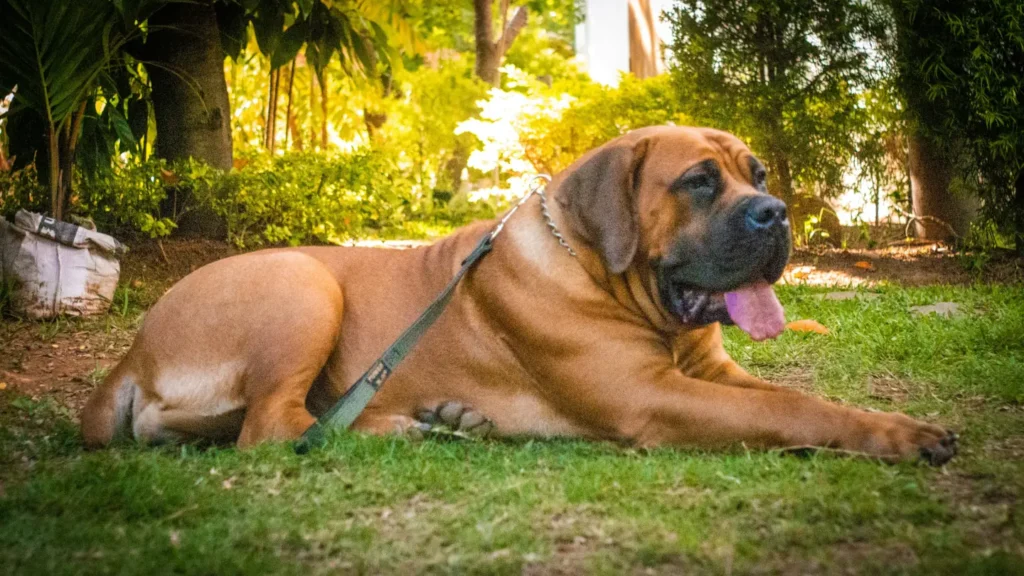
The journal identifies a large female mastiff and a spaniel. Those are the useful historical descriptions to carry forward. When someone asks about the types of dogs on the Mayflower, this is a firmer answer than assigning the pair precise modern pedigrees.
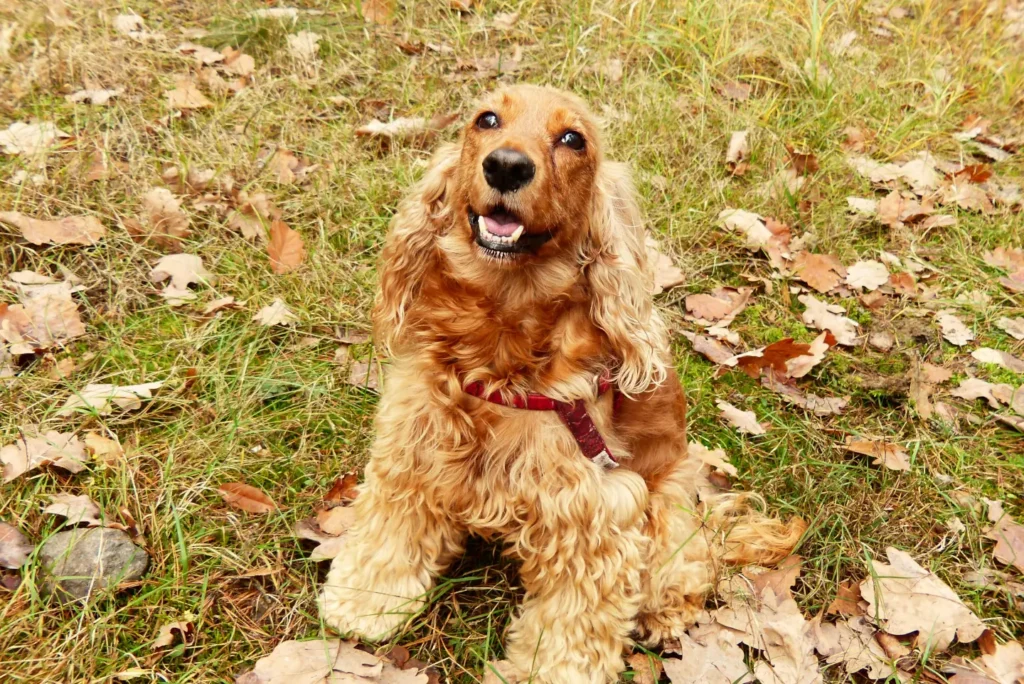
The American Kennel Club’s explanation of the spaniel label cautions against calling the smaller dog an English Springer Spaniel with certainty. The breed classifications familiar to today’s owners came later. A modern Springer photograph can illustrate a comparison, but it cannot identify this particular seventeenth-century dog.
Why bring dogs on the Mayflower? Hunting and protection are plausible explanations based on the work associated with these dog types. The AKC notes, however, that the reasons for taking these particular dogs were not stated. Their possible usefulness should remain an interpretation, not a documented job assignment.
The best-known stories about dogs on the Mayflower come from two January entries. The January 12 entry describes Goodman and Brown following the dogs after a deer and becoming lost. They spent a freezing night outdoors. Hearing sounds they believed came from lions, they held the mastiff back. The animal identification was their belief, not a confirmed sighting. The men found their way back the following day.
The January 19 entry tells a different story. Goodman was out with a small spaniel when two wolves pursued it. The dog sought shelter between his legs. Goodman threw a stick and later held a board; eventually the wolves left. The spaniel did not chase the wolves away.
These dates follow the journal’s dating. Keeping the incidents separate preserves both the dog involved and the sequence of events. It also prevents a dramatic but inaccurate mashup in which a mastiff saves its owner from wolves.
For dog lovers, the modest details are compelling enough: a chase that led people astray, a dog pulling toward a noise, and another seeking safety beside a person. They make the past feel close without requiring us to invent thoughts, dialogue, or a heroic ending.
If you are sharing the story of dogs on the Mayflower with children or around a holiday table, a few careful distinctions keep it both memorable and trustworthy.
How many? Two are documented in these accounts. That supports saying at least two accompanied the voyage; it does not establish that exactly two animals of any kind were aboard. MayflowerHistory’s overview of early Plymouth animals distinguishes the dogs from less certain claims about other animals carried on the ship.
Who owned the dogs on the Mayflower? The winter narrative places them with Goodman and Brown. Accompanying someone on an outing does not, by itself, settle ownership of both animals. Avoid turning that association into a confident claim that Goodman owned the pair.
What were their names and later lives? The sources used here do not establish their names, eventual fate, or descendants. It is fine to be curious about those missing chapters. Giving the dogs invented names, or tracing a modern pet back to them without evidence, would change history into fiction.
Dogs on the Mayflower make an inviting Thanksgiving topic, but arrival with the colonists does not prove attendance at a later feast. Plimoth Patuxet Museums explains the surviving account of the 1621 harvest celebration. It places the celebration in the fall and reproduces Edward Winslow’s description. That account does not establish either dog’s presence.
The honest answer is that we do not know whether these dogs were there. A painting or illustration made much later cannot fill that gap. Nor should a general connection to Thanksgiving turn into a claim about a specific day, meal, or canine guest.
There is another essential piece of context: dogs on the Mayflower were not the first dogs in the Americas. Plimoth Patuxet’s explanation of Wampanoag relationships with animals describes care for dogs and other animals while distinguishing those relationships from keeping household pets. The English passengers arrived in a place with existing communities and their own relationships with animals.
What makes the Mayflower dogs worth remembering is not a complete biography or a proven seat at a feast. The story of dogs on the Mayflower offers a small, documented glimpse of animals moving through people’s daily lives more than four centuries ago. We can appreciate that connection while leaving the unanswered questions open.
Enjoy exploring life with dogs? Read more stories from Dog Notes. For something for your present-day companion, you can also learn about Bark or Woof’s bandana club.