
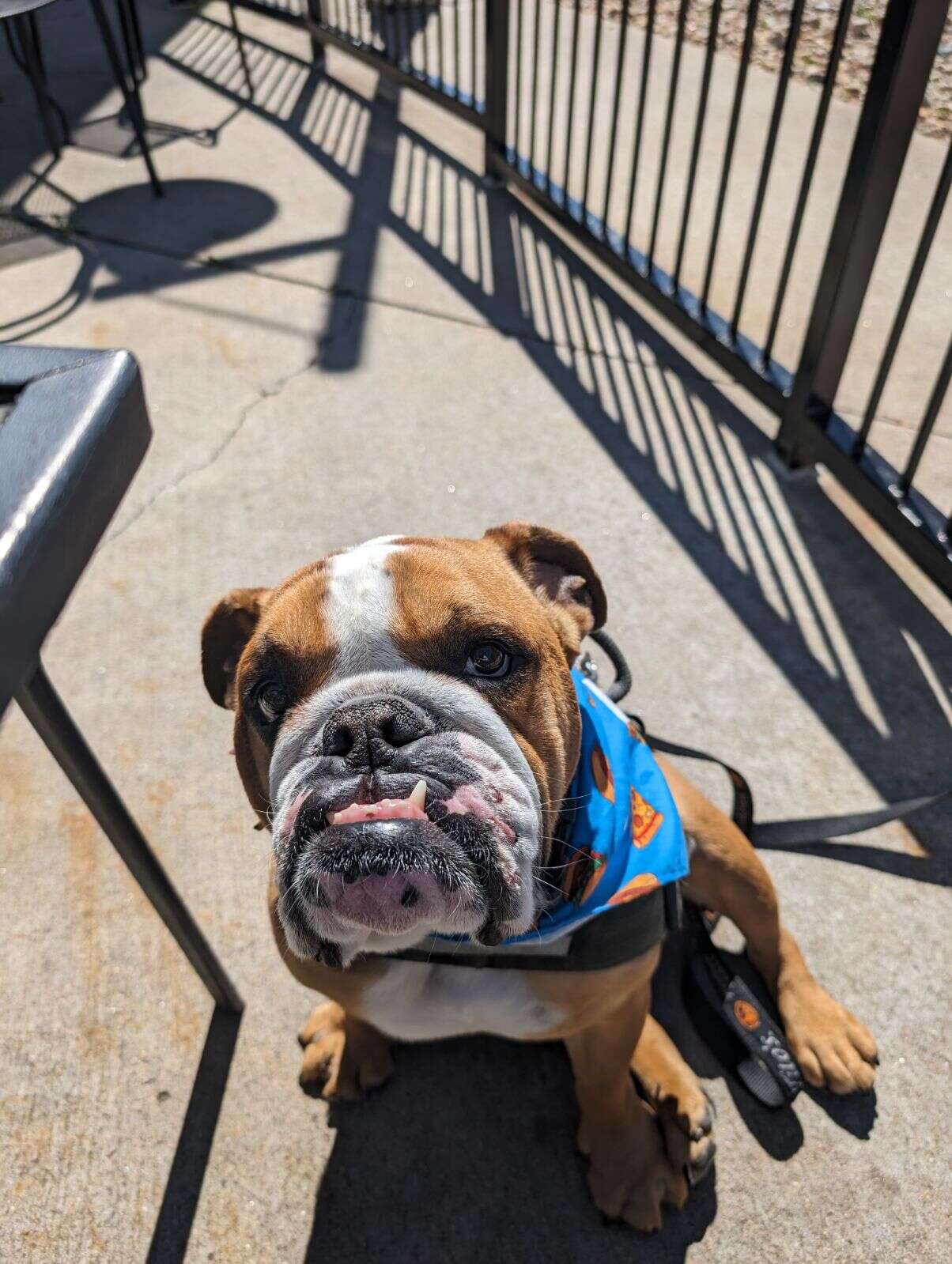
Hiking with dogs during hunting season starts with knowing what is happening where you plan to walk. Check the destination’s current rules, choose a suitable route, wear appropriate visibility gear, and keep your dog leashed and close. These precautions can reduce risks, but none makes an outing completely safe.
Can I go hiking during hunting season? Yes, where hiking and dogs are permitted and the area is open. A hunting season does not automatically close every trail. It does mean your usual routine needs a closer look before you leave home.
You do not need to become a hunting expert. You need reliable local information, a manageable plan for your dog, and permission to change your mind. A shorter walk somewhere else can still be a good day together.
Treat planning as two separate questions: Is this outing allowed, and is it a sensible choice today? Permission alone does not answer the second question. You might decide against a legal route because your dog is noise-sensitive, the boundaries are confusing, or the weather leaves little room for a comfortable return.
Start with your state’s wildlife agency. Review the current hunting calendar for the relevant location, species, and hunting method, rather than checking only deer season. Then consult the actual land manager for access rules, closures, trail notices, dog restrictions, and any visibility requirements that apply to visitors.
Try searches such as “[state] wildlife hunting seasons” and “[park or forest] alerts and pet rules.” Open the agency’s own result, check the calendar year, and confirm that you are looking at the correct hunting unit or property.
The U.S. Forest Service’s hunting guidance illustrates why both checks matter: state hunting regulations apply on national forests, while individual areas may have additional restrictions. A marked hiking trail does not automatically mean hunting is prohibited nearby.
Match your trailhead, connecting paths, and return route to the land manager’s map. Do not assume that a loop stays within one property or one set of rules. Public and private land can meet along a route, and a park’s name alone does not tell you where hunting is allowed.
Save the relevant map and notices before leaving home, then read the trailhead signs when you arrive. Treat an unexpected closure as a reason to reassess, not an invitation to find a shortcut.
When a trail app, an old review, and an official notice disagree, contact the managing office. Ask: “Is this specific trail open to hikers with leashed dogs on our planned date, and is hunting permitted along or beside it?”
Ask where any restricted area begins and whether a different dog-friendly route is available. If nobody can clarify the situation, choose somewhere with clear, current information.
Consider a destination where the managing authority confirms hunting is prohibited, or a route separated from designated hunting areas. Check adjacent boundaries, too. “No hunting in this park” is not a promise about every property around it.
Favor a straightforward route with an uncomplicated return. Your plan should not depend on guessing when hunters will disappear. Better daylight can help visibility, but no time of day is universally free of hunting activity. Have a backup walk selected before you reach the parking lot.
For example, when a wooded loop passes through an active hunt area but a nearby dog-friendly park confirms that hunting is prohibited within its boundaries, the park may be the more comfortable choice. Choose based on verified access, not an assumption that a busy trail or weekend crowds provide protection.
Are hikes in Oregon dog friendly? Some are, but access depends on the individual trail and managing authority. The Oregon State Parks questions and rules allow dogs in many parks while identifying exceptions, including the Trail of Ten Falls at Silver Falls. On permitted state park trails, plan on a leash no longer than six feet. These are Oregon State Parks rules, not blanket rules for every Oregon trail. Check the specific destination’s current notices.
What states still allow deer hunting with dogs? Virginia is one verified example, with substantial geographic, seasonal, and property-specific restrictions. Its current deer hunting regulations identify where and when dogs cannot be used, including restrictions west of the Blue Ridge and on Sundays. This is an example, not a complete current national list. Consult each state’s wildlife agency for its own rules. Using dogs to pursue deer is different from hiking with a leashed pet; rules for tracking wounded deer can also be separate.
Choose blaze orange outerwear for yourself and purpose-designed high-visibility gear for your dog, following the local agency’s guidance and any applicable requirements. Avoid relying on earth-toned clothing that blends into the surroundings.
Think about visibility from the front, back, and sides. A bright shirt hidden under a dark jacket or backpack is not doing much useful work. Before leaving the trailhead, have your companion check your outfit from different directions, and do the same for your dog’s gear.
Fit matters, too. Check the manufacturer’s instructions, make sure the vest works with the harness, and watch your dog walk and turn in the complete setup. Do not attach the leash to a decorative loop or an attachment that is not designed for restraint.
Treat reflective trim as an extra, not a substitute for conspicuous daytime color. Recheck the setup after adding a rain layer or adjusting equipment. Visibility clothing also does not replace route planning or leash control.
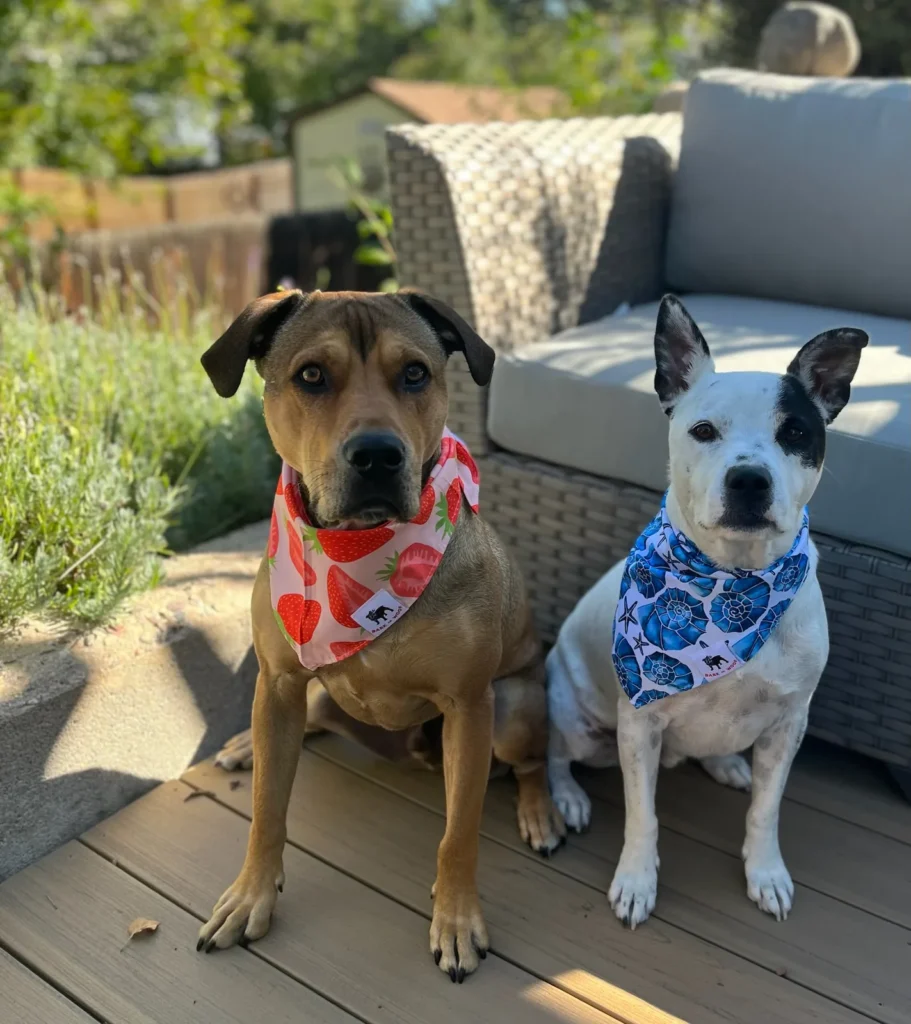
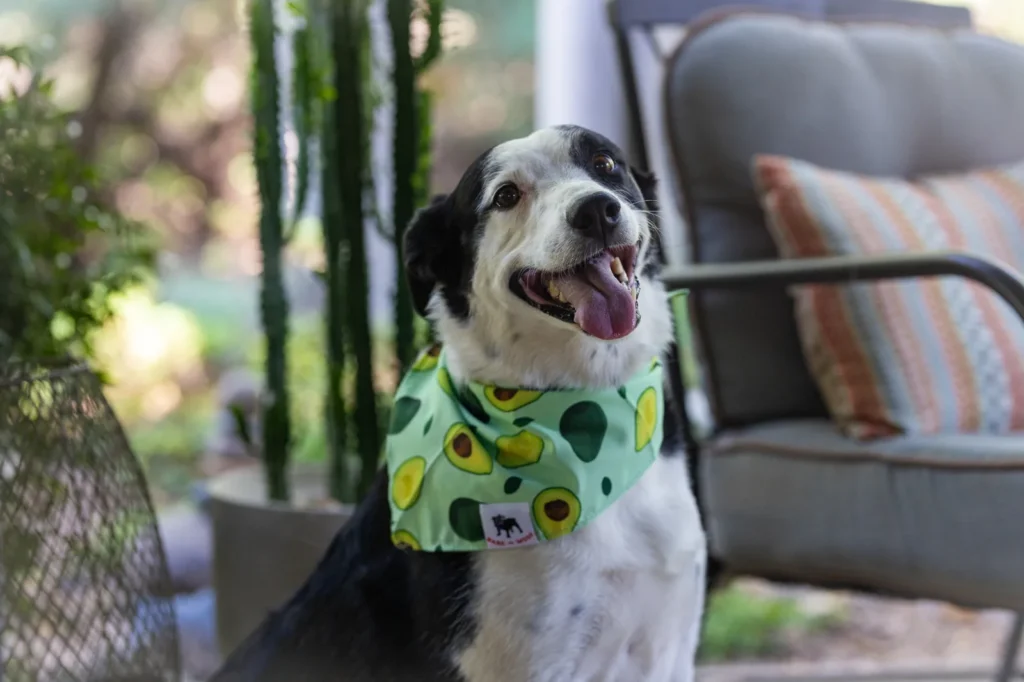
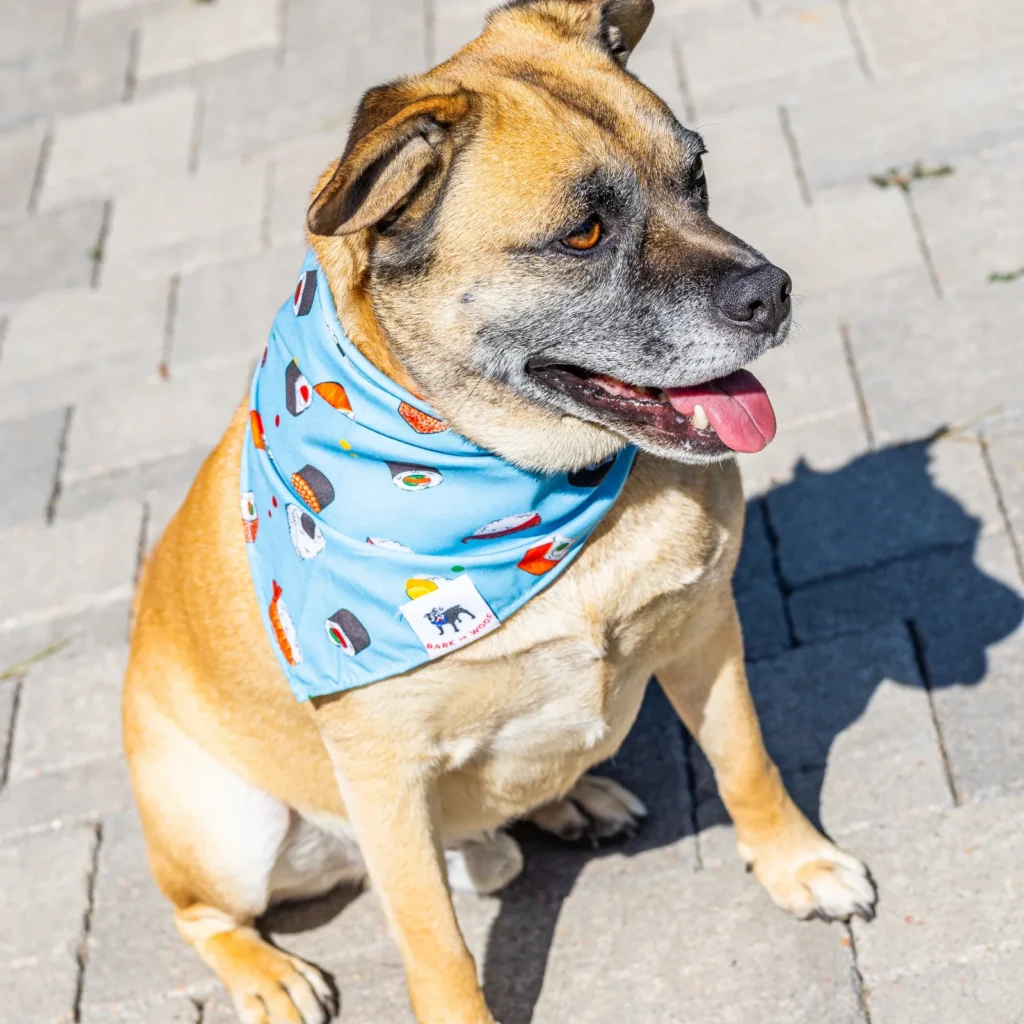
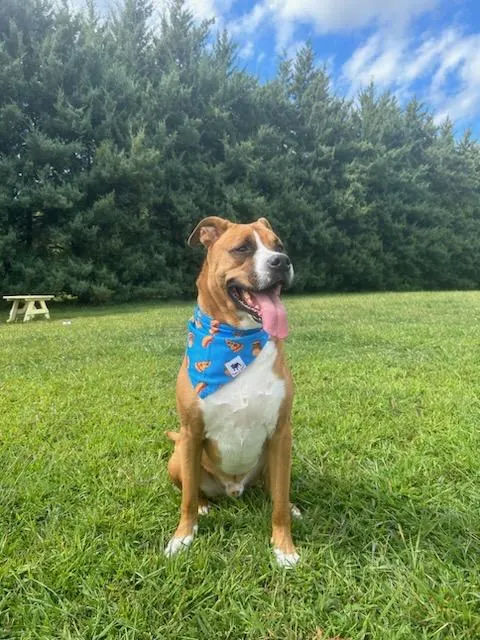
A decorative bandana is an optional accessory, not adequate hunting-season visibility equipment on its own. Bark or Woof bandanas should not be treated as reflective, certified, or purpose-designed safety gear.
For an optional bandana worn during an appropriate, supervised moment, use Bark or Woof’s bandana size guide. You can contact Bark or Woof for sizing help about the brand’s accessories. Choose the required trail equipment separately, and leave any extra accessory off when it interferes with that equipment or your dog’s comfort.
Bring what supports the route, weather, and your dog’s needs, not an entire pet store. The ASPCA’s outdoor-trip preparation advice emphasizes identification, fresh water, necessary medications, first-aid supplies, and advance planning for veterinary help.
Know how to use what you carry. A first-aid kit is not a substitute for veterinary care. Tell someone your route and expected return time, and consider how you would get your dog out if they could not walk.
An optional bandana can stay packed for a supervised photo afterward. For that everyday accessory side of dog life, meet the Bark or Woof subscription. It is separate from the equipment this hike requires.
Follow the destination’s leash rules and keep your dog beside you or close enough for immediate control. Good recall is not a reason to let a dog roam during nearby hunting activity. Prevent wildlife chasing, and stay together on permitted routes.
Practice the routine somewhere familiar first: walking without pulling, pausing when asked, and passing people without rushing toward them. If those basics are difficult on an ordinary walk, choose an easier setting instead of adding an unfamiliar trail and unexpected noises.
Check clips and buckles before you start and again after a rest stop. If you cannot hold the leash securely while checking a map, pause in a suitable spot first. Keep the dog attached rather than letting go for a photo, snack, or gear adjustment.
Give other visitors space. Keep the leash from stretching across the path, ask before allowing greetings, and do not let your dog approach hunters, working dogs, or equipment. Pick up waste and carry the bag to an appropriate disposal point rather than leaving it beside the trail.
Those habits belong on everyday walks, too. For more reading between outings, explore Dog Notes, Bark or Woof’s blog.
A plan is useful only while it matches the conditions. Nearby hunting activity, a frightened dog, poor visibility, an unexpected closure, or uncertainty about your location can all justify ending the outing.
If you hear gunfire nearby, bring your dog close and make your presence known with your voice. The U.S. Fish and Wildlife Service’s advice for non-hunters recommends identifying yourself when shooting is heard and avoiding confrontations. A clear “Hikers with a dog on the trail” communicates more than silently trying to slip past.
Do not investigate the sound or push through an active hunting area. Calmly leave by a known, permitted route when appropriate. If your planned exit is uncertain, stop to assess the map and seek help rather than inventing a cross-country shortcut.
If your dog freezes, trembles, pulls toward the car, or cannot settle, end the outing rather than insisting on finishing. A trail walk is not the place to force a frightened dog to tolerate gunfire.
For an injured dog, contact a veterinarian promptly. Collapse or suspected heatstroke needs urgent veterinary attention. For a serious injury to a person or immediate danger, contact emergency services and give your location as clearly as possible.
How far is too far to hike with a dog? There is no universal mileage limit. Consider conditioning, age, individual health, terrain, elevation change, weather, and the return journey. The National Park Service’s guidance on hiking with pets recommends choosing a trail that matches your dog’s abilities and consulting your veterinarian about concerns.
Build up gradually rather than turning an ordinary walking routine into a long mountain outing overnight. Ask your veterinarian about puppies, older dogs, medical conditions, or recovery from injury. Check in during breaks instead of waiting for your dog to struggle. Leave enough energy for the trip back.
Compare the outing with walks your dog already handles comfortably. A familiar distance on a smooth neighborhood path is not the same trip as that distance over loose rock, steep climbs, or muddy footing. Choose a shorter first trail outing, include breaks, and be willing to stop before reaching your planned turnaround point.
Once you are somewhere appropriate to remove gear, check paws, nails, and the spaces between toes for irritation or debris. Look over the coat and skin for ticks, burrs, and rubbing beneath equipment. Offer water and rest, and contact your veterinarian about limping, persistent discomfort, or unusual behavior.
Save a note about what worked: the route, weather, gear fit, and how your dog handled the outing. That is more useful for your next plan than treating today’s mileage as a target to beat.
Curious about the bandana membership mentioned above? Bark or Woof’s frequently asked questions explain what customers receive, separate from the outdoor equipment covered here.
The goal is time together, not completing a route at any cost. Prepare carefully, stay visible, keep control of your dog, and choose another destination whenever that is the better call.
For a little everyday style after the outdoor essentials are covered, explore the Bark or Woof Pack membership. Keep the accessories fun and the hiking decisions practical.